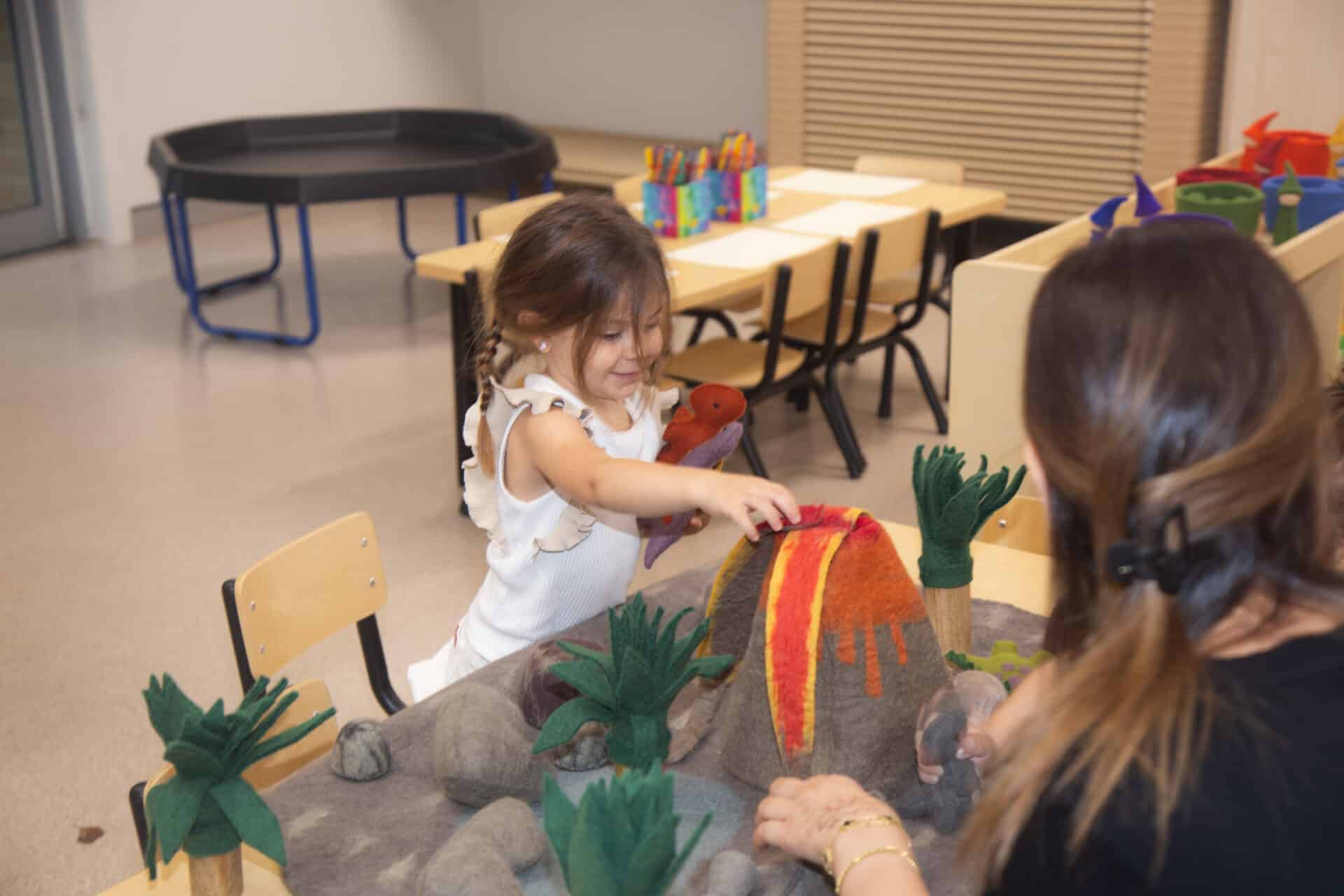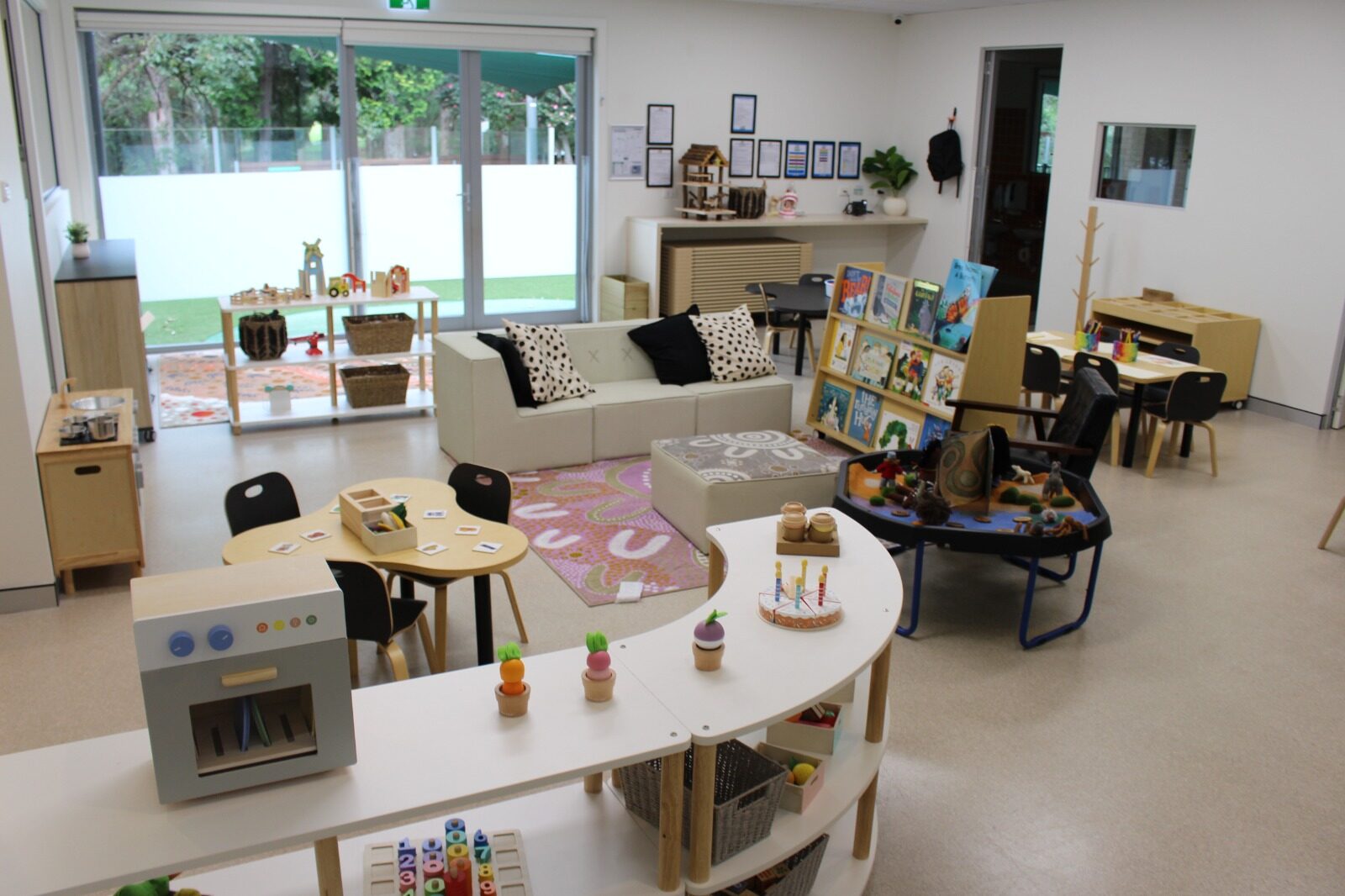
An early learning centre provides play-based education and care, which supports children from six weeks to six years of age. These centres help children develop socially, emotionally, and intellectually before they begin formal schooling.
What Do Early Learning Centres Offer?
Early learning centres are thoughtfully designed to support each child’s development through play, exploration, and meaningful interactions. They promote a safe and engaging space where children are encouraged to express themselves, build relationships, and develop the confidence needed to navigate the world around them.
Some key areas of development supported in early learning centres include the following:
Cognitive Development
Children are introduced to early literacy, numeracy and problem-solving through engaging activities such as storytelling, imaginative play and simple group games. These experiences allow children to begin making sense of patterns, numbers and language in a way that feels playful and enjoyable.
Social and Emotional Development
Through play and shared experiences, children practise taking turns, listening and showing kindness. Educators gently guide children in recognising and managing emotions, helping them learn how to express their feelings and respond with empathy. These everyday moments support emotional resilience and provide opportunities to build friendships.
Physical Development
Activities at an early learning centre can include drawing, painting, cutting and threading. These tasks help strengthen the muscles in children’s hands and fingers, supporting the fine motor skills needed for writing and self-care. At the same time, outdoor play encourages movement and coordination, allowing children to explore what their bodies can do while developing strength, balance and spatial awareness.
School Readiness
Many early learning centres offer dedicated programs that support children in preparing for their transition to school. Through regular routines, group activities and simple responsibilities, children become familiar with classroom expectations. These experiences help reduce anxiety and make the change to primary school feel more natural.
How Is an Early Learning Centre Different from Preschool?
While both early learning centres and preschools aim to support children’s development, there are some key differences that you may need to consider before enrolling your child.
Age Range
Early learning centres generally care for children from six weeks to six years of age, while preschools cater more to children aged three to five.
Operating Hours
Many early learning centres are open all year round, giving working families more flexibility. Preschools, on the other hand, frequently have shorter sessions and might only be open during school terms and hours.
Program Structure
Most early learning centres have programs that are usually more play-based, allowing children to learn through exploration and hands-on experiences. Preschools, on the other hand, often follow a more set structure that is designed to specifically prepare children for the expectations of a formal school environment.
Both environments offer valuable learning opportunities butt the best choice for your child will ultimately depend on their individual needs and your family’s circumstances.
Choosing the Right Type of Care for Your Child
Every child and family is different, so when deciding between an early learning centre or a preschool, it’s important to consider not only the kind of environment that will support your child’s growth, but also one that will help fit in with your daily life.
If you’re seeking flexible care with a focus on all areas of development, an early learning centre may be the right choice. These settings offer consistent routines and a nurturing approach that supports children from infancy through to school age.
Preschool may be a good fit for children who are ready for a more structured, school-like experience in the year or two before starting formal education.
Ultimately, the most important factor is how your child responds to the environment. Take the time to visit different types of schools and centres, while observing how your child engages to help you feel confident in your decision.