Outdoor play is valuable for children beyond the physical activity it provides. It helps them socialise, understand their bodies better, participate in imaginative play and enjoy the outdoors. In today’s busy and hard world, it can be difficult to schedule outdoor time with your kid. But it is something you should prioritise for your child’s healthy growth and development.
Young children are recommended to engage in around 3 hours of physical activity spread throughout the day. This includes both indoor and outdoor play. While this can be challenging to fit into a daily schedule, regular outdoor activity contributes to the emotional and physical health of your child.
The Key Advantages
Some of the key advantages of outdoor education in early childhood are:
Helps Reduce Anxiety And Stress
Physical outdoor activity releases chemicals in the brain that help regulate mood and emotions. This can help children relax, build confidence and cope better with everyday challenges.
Imaginative Play And Creative Thinking
The opportunities for exploration and discovery outdoors are broad and varied. Children have different interests, and in natural environments, there is often something new to notice or interact with, which can encourage curiosity, imagination and creative thinking.
Development Of Social And Emotional Skills
When young children play outside in less restricted spaces, they have more opportunities to interact with others and explore social situations. This can support the development of social and emotional skills such as sharing, taking turns, listening to others, empathy and problem-solving.
Helps Children Let Off Steam
Allowing children to play outside helps them use up excess energy and release built-up tension. This can improve their ability to settle and concentrate during quieter activities.
How Educators Use Outdoor Spaces For Learning
While the benefits of outdoor education for preschoolers are clear, implementing outdoor learning does not need to be complicated. Here are some simple ways to incorporate outdoor learning into everyday routines.
Begin Small
If you are new to outdoor learning, that is okay. You do not need to change everything at once. Start with small, simple activities that can be done regularly, such as short walks, outdoor story time or spending a few minutes observing nature.
Keep Safety First
When planning outdoor activities with preschoolers, safety is important. Make sure children are dressed appropriately for the weather. On sunny days, hats and sunscreen may be needed. It is also important to supervise children closely and establish clear rules for outdoor play to help keep everyone safe.
Use Natural Materials
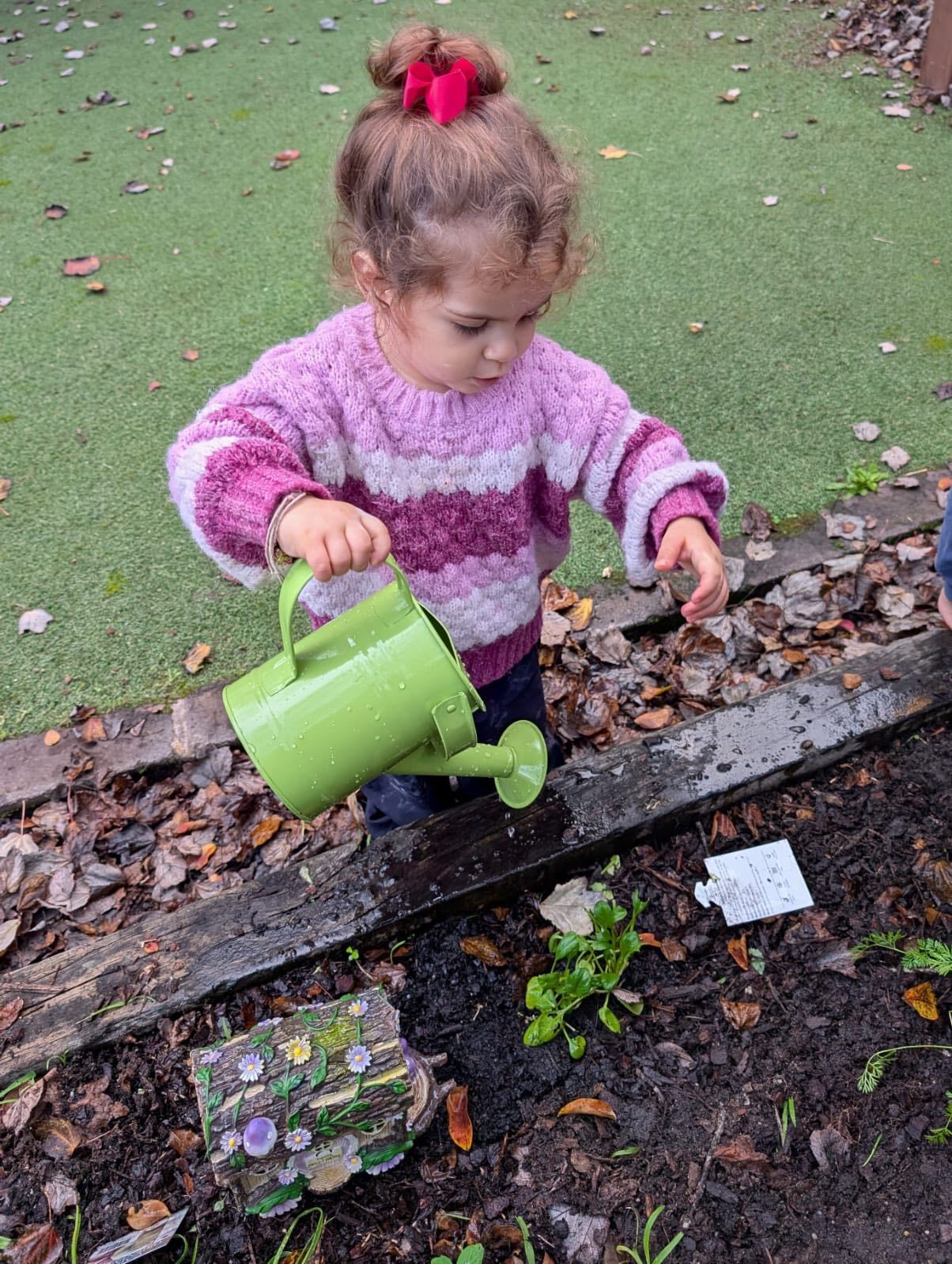
One effective way to engage children in outdoor learning is to use natural materials. Encourage them to collect items such as leaves, sticks or stones and use them for simple art or learning activities. Outdoor spaces can also be enhanced by including natural features such as logs, stumps or rocks. These elements give children more opportunities for open-ended play and help them feel more connected to nature.
Conclusion
Outdoor learning gives children regular opportunities to move, explore and spend time outside. It can be included in everyday routines through simple activities and play, without needing complex setups or planning. Over time, these experiences become part of how children learn, interact and develop in early childhood settings.