The Reggio Emilia approach was developed by Loris Malaguzzi and a group of local parents in Italy who, after World War II, wanted a new way of educating young children. They believed that children are not passive learners but active participants in their own learning through their natural curiosity.
Rather than following a set curriculum, the Reggio Emilia philosophy places emphasis on relationships, exploration and meaningful experiences. While it began in schools, many Early Learning Centres today are inspired by this philosophy, as it supports young children’s need for time, space, and trust to explore their surroundings and develop their ideas.
Breaking Down the Reggio Emilia Approach
Though there is no prearranged program or curriculum in the Reggio Emilia philosophy, there are a few guiding principles that shape how learning unfolds.
Children are Capable and Curious
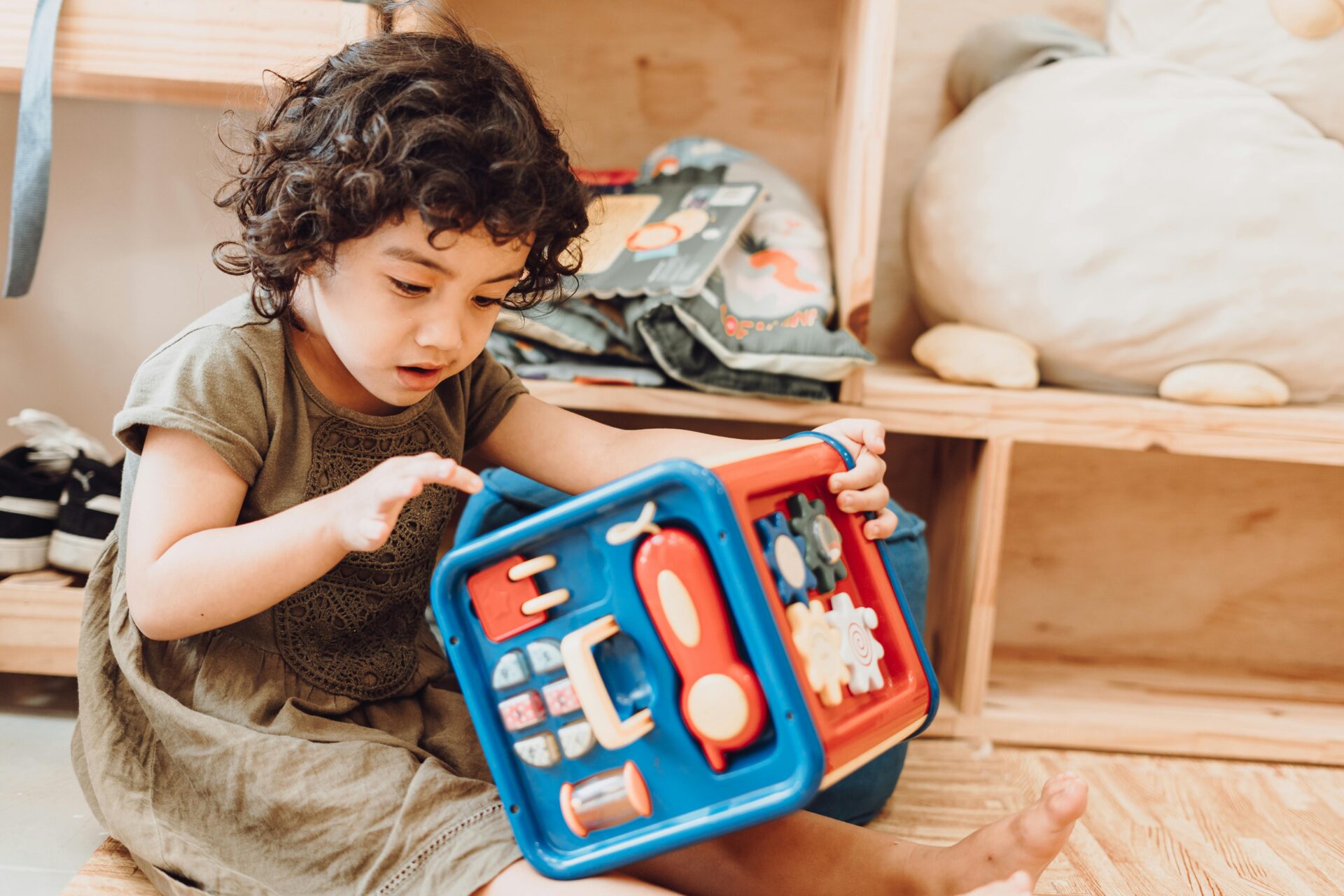
Children are encouraged to express their thinking in ways that feel natural to them, whether through drawing, building, storytelling, music or movement. Instead of following one fixed method, each child is supported in finding their own voice and exploring ideas in a way that makes sense to them.
The Hundred Languages of Children
At the heart of the Reggio Emilia philosophy is the idea that children have “a hundred languages”, meaning that they have countless ways of expressing their feelings and communicating. These languages include art, movement, storytelling and many more. By adding value to these languages and encouraging them, children feel more empowered to explore their way of thinking and learning.
Learning Environment
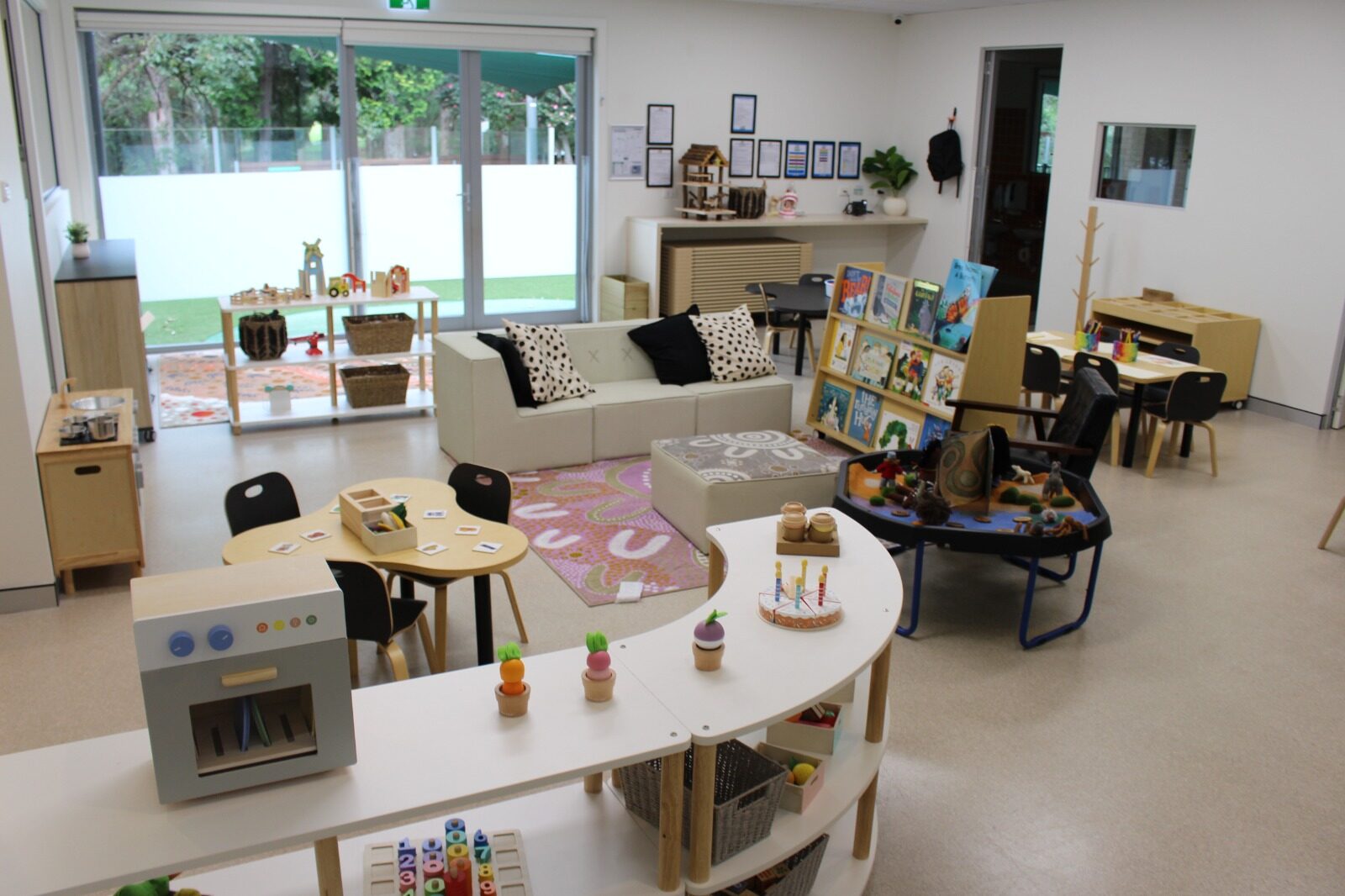
In the Reggio Emilia approach, the environment is often referred to as the third teacher, playing an active role in how learning can unfold. Rather than being just a plain room with desks and chairs, the space is carefully designed to support curiosity, collaboration and independence. Natural light, open-ended materials and flexible layouts invite children to make choices, test ideas and connect with others on their own terms.
Educators and Teachers
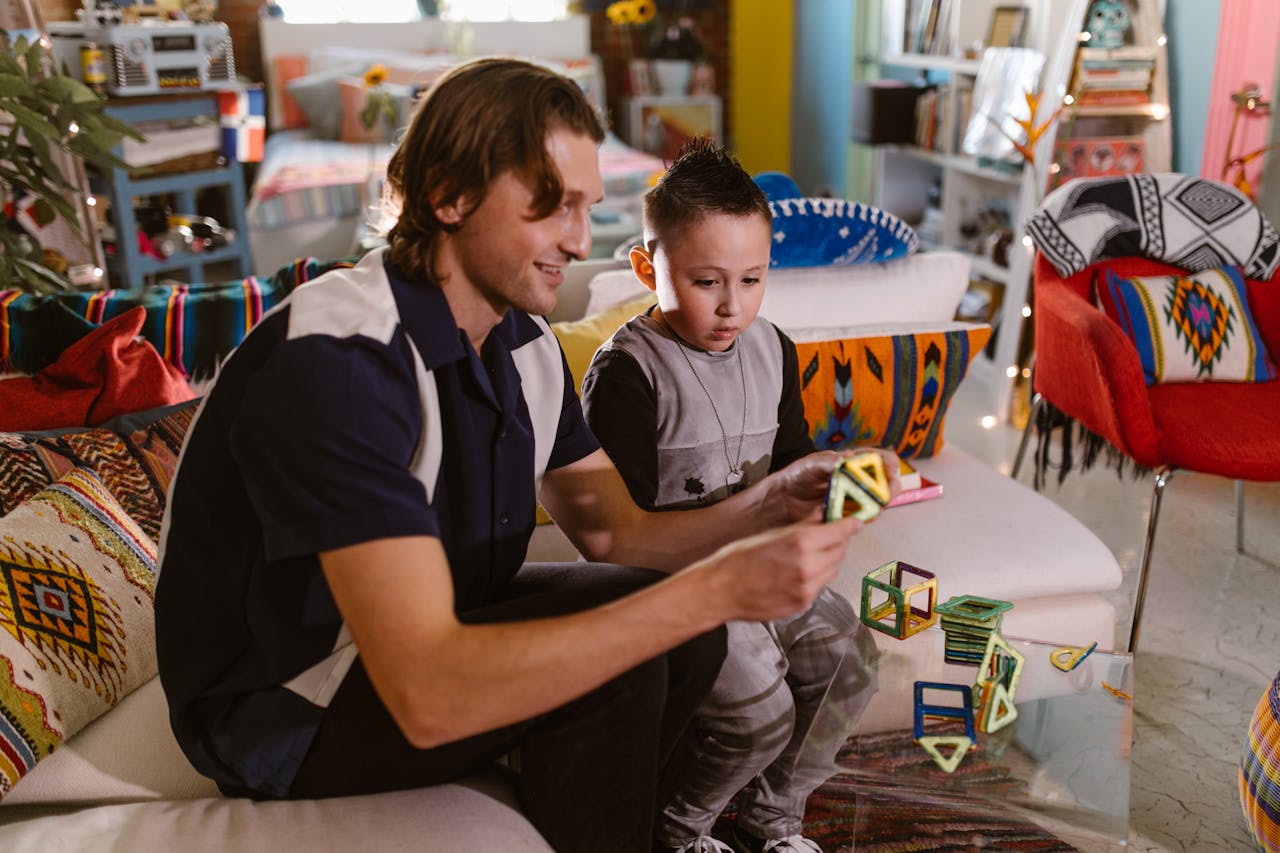
Rather than simply giving instructions, educators observe, listen and play with the children. They use these observations to plan experiences and exercises that will pique the child’s interests and encourage their learning in ways that are especially meaningful to them.
Emergent Curriculum
Instead of a predetermined curriculum, learning takes place as children play, explore and ask questions. The educators observe each child’s interests and languages to create playful experiences that help the child connect with each activity on a personal level
Partnerships with Families
The connection between home and learning is woven into everyday practice. Teachers work closely with parents and carers to acquire an understanding of each child’s background, interests and emerging needs. This shared knowledge helps in creating a more cohesive and supportive environment for the child.
Documentation and Reflection
Children’s discoveries and creations are captured over time and shared with their families and the children themselves. It encourages self-reflection and helps celebrate the process, making the learning journey visible to everyone.
Final Thoughts
The Reggio Emilia approach encourages us to consider learning through the eyes of the child. It reminds us that curiosity, wonder and exploration are powerful tools, especially when nurtured in the right environment.
In many ways, this philosophy asks us to shift our perspective and take a step back and recognise the potential that emerges when children are given the time and space to lead their own learning. It’s not just about what children learn, but how they come to understand themselves, others and the world around them.